

Paano lumilikha ang pang-industriyang chocolate conche ng kalidad na may karunungan sa teknolohiya?
Ang pang-industriya na tsokolate conche ay isang pangunahing kagamitan na nagko-convert ng mga pangunahing hilaw na materyales tulad ng cocoa beans, asukal, at milk powder sa mga de-kalidad na materyal na base ng tsokolate sa pamamagitan ng tumpak na disenyo ng istruktura at teknolohiya ng paggiling sa antas ng micron. Ang mekanismong gumagana nito ay malalim na isinasama ang karunungan ng mechanical engineering at ang katalinuhan ng teknolohiya ng pagkain. Mula sa tumpak na paghahatid ng mekanikal na puwersa hanggang sa mikroskopiko na kontrol ng laki ng butil, ang bawat link ay sumasalamin sa sukdulang pagtugis ng kalidad ng tsokolate at nagiging pangunahing teknikal na link sa pagitan ng mga hilaw na materyales at masarap.
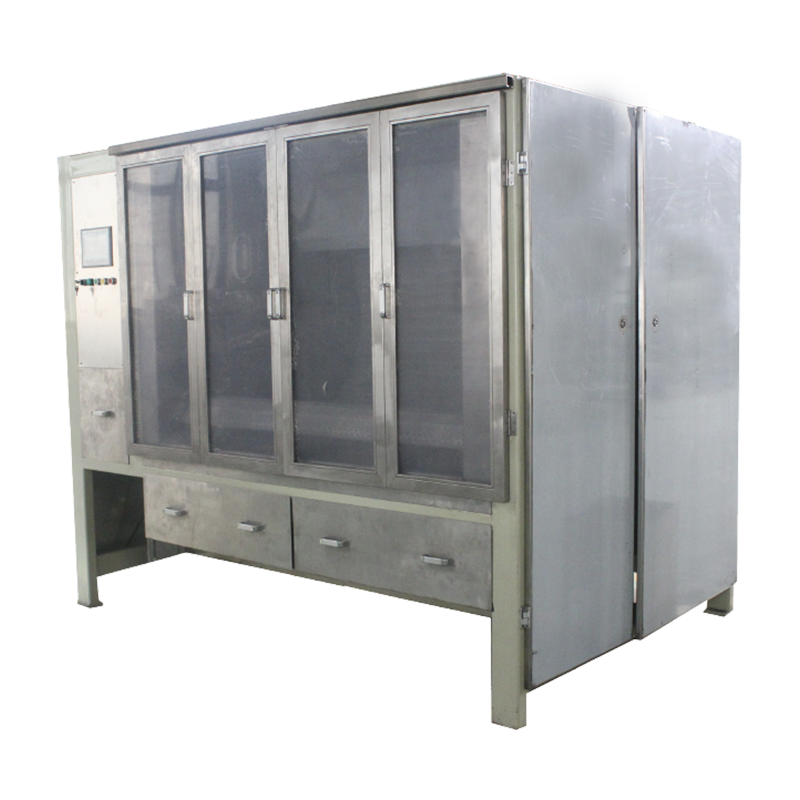
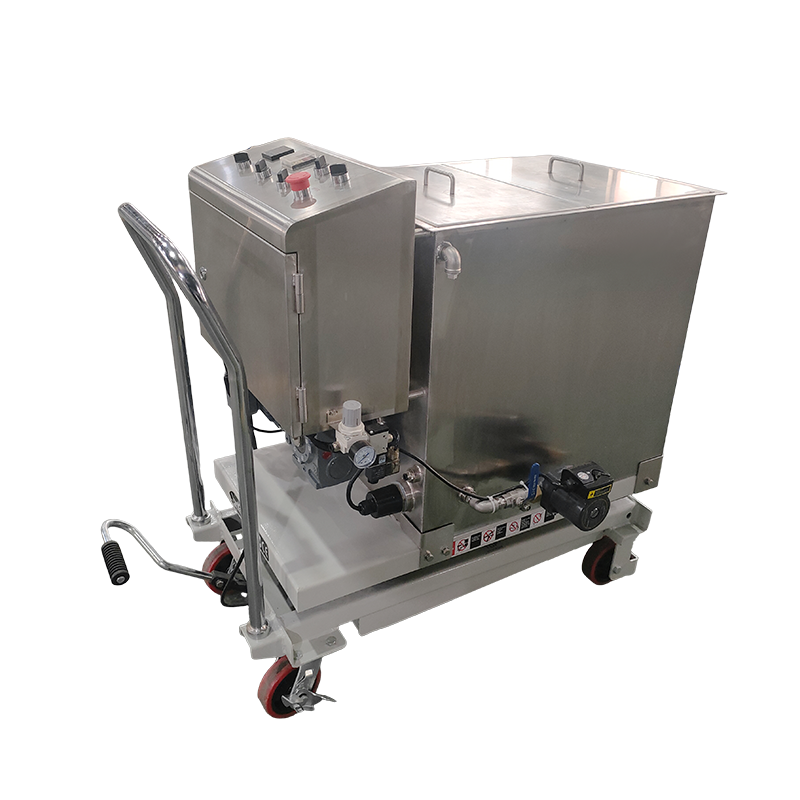
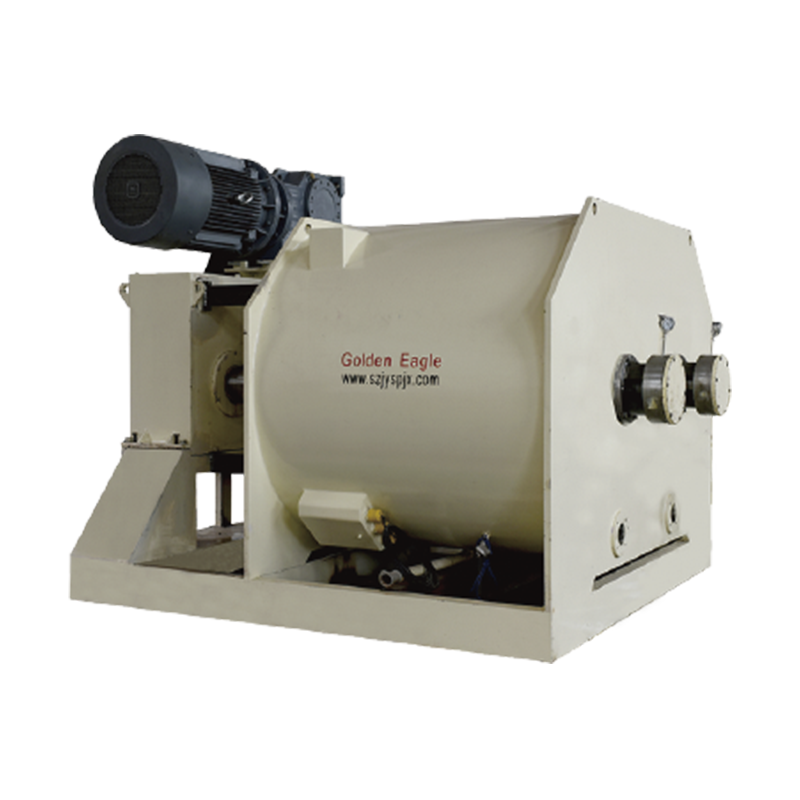
Ang structural design of the conche is the physical foundation for achieving quality carving. As the mainstream structures, the drum type and the trough type are designed around the two core needs of high-precision grinding and efficient mixing. The drum type refiner uses a horizontal closed drum as a carrier, and the rotation of the drum wall drives the internal grinding elements and the material to produce relative movement. This design not only uses centrifugal force to strengthen the contact between the material and the grinding surface, but also can accurately adjust the internal temperature through the temperature control system of the drum wall; the tank type refiner is based on an open or semi-closed tank body. The built-in stirring device and the grinding roller work together to construct a three-dimensional motion space. The spiral or paddle structure of the stirring blade forms a complex eddy field when rotating to ensure that the material circulates without dead ends in the equipment. Both structures use high-strength alloy materials to build core components. The surface of the grinding roller is specially hardened or engraved with fine lines to enhance the wear resistance while improving the cutting ability of the material. The angle and speed design of the stirring blade are optimized by fluid mechanics to achieve the best material convection effect.
Ang proseso ng paggiling sa antas ng micron ay ang pangunahing paraan ng paghubog ng kalidad ng refiner. Kapag ang materyal ng kakaw ay pumasok sa kagamitan, kinokontrol ng grinding roller ang distansya sa pagitan ng mga roller at mga roller at ang panloob na pader sa katumpakan ng antas ng micron sa pamamagitan ng isang tumpak na sistema ng pagsasaayos ng gap. Sa ilalim ng high-speed rotation, ang ibabaw ng grinding rollers at ang cocoa particles at sugar crystals ay sumasailalim sa high-frequency mechanical collisions at shearing. Ang puwersang ito ay hindi isang simpleng pisikal na pagdurog, ngunit isang tumpak na kontrol sa laki ng butil sa pamamagitan ng multi-stage grinding system. Sa paunang yugto, ang mga magaspang na grinding roller ay dinudurog ang mga hilaw na materyales sa daan-daang microns, na naglalagay ng pundasyon para sa kasunod na pagpipino; habang ang mga materyales ay umiikot sa kagamitan, ang mga pinong grinding roller ay higit na pinipino ang mga particle sa perpektong hanay na 20-30 microns. Ang pamantayang ito ng fineness ay na-verify sa pamamagitan ng pangmatagalang proseso ng pag-verify, na hindi lamang maalis ang butil-butil na pakiramdam ng tsokolate kapag pumapasok ito sa bibig, ngunit nagpapanatili din ng katamtamang solidong istraktura upang mapanatili ang antas ng lasa. Halimbawa, ang pagpino ng mga kristal ng asukal ay nagsisiguro ng pare-parehong paglabas ng tamis at iniiwasan ang lokal na sobrang tamis o mabuhangin na pakiramdam; at ang buong paggiling ng mga particle ng kakaw ay nagtataguyod ng buong pagkakalantad ng mga panloob na sangkap ng lasa, na lumilikha ng mga kondisyon para sa kasunod na pagsasanib ng lasa.
Ang coordinated control of mechanical force and process parameters gives the refiner the ability to deeply regulate quality. The shear heat generated during the grinding process is not a simple side effect, but is cleverly transformed into a process booster: moderate temperature rise causes the melting of oil components such as cocoa butter to form a natural lubricating medium, reduce the internal friction of the material, and assist in further refinement of the particles; at the same time, with the sharp increase in the specific surface area of the particles, the flavor substances such as polyphenols and volatile aldehydes in the cocoa beans are fully in contact with raw materials such as sugar and milk powder, causing physical adsorption and initial fusion between molecules. The refiner precisely controls the intensity and duration of this process through the linkage adjustment of the temperature control system and the stirring speed - too high a temperature will cause the flavor substances to volatilize, and too low a temperature will affect the fusion efficiency; stirring too slowly can easily cause uneven local grinding, and too fast may cause over-grinding. This precise control of process parameters ensures that the chocolate forms a unique flavor precursor and delicate texture during the grinding stage.
Sa aktwal na produksyon, ang proseso ng karunungan ng refiner ay makikita sa dinamikong balanse ng mga kumplikadong variable. Sinusubaybayan ng kagamitan ang mga parameter tulad ng lagkit ng materyal, temperatura at presyon ng paggiling sa real time sa pamamagitan ng mga sensor, at nagbabalik sa control system para sa matalinong pagsasaayos. Halimbawa, kapag nakita na ang lagkit ng materyal ay bumababa dahil sa pagkatunaw ng cocoa butter, awtomatikong inaayos ng system ang grinding roller gap at stirring speed upang mapanatili ang pinakamahusay na kahusayan sa paggiling; kapag malapit na ito sa perpektong husay ng paggiling, pinapabagal nito ang intensity ng paggiling sa pamamagitan ng pagbabawas ng bilis upang maiwasan ang labis na pagproseso. Ang adaptive na mekanismong ito ay hindi lamang nagsisiguro sa kalidad ng pagkakapare-pareho ng bawat batch ng mga produkto, ngunit nagbibigay-daan din sa mga tagagawa na flexible na ayusin ang mga parameter ng proseso ayon sa iba't ibang mga recipe ng tsokolate (tulad ng dark chocolate at milk chocolate) upang makamit ang magkakaibang hugis ng lasa at texture.
Ang industrial chocolate conching machine uses precise structural design as the skeleton and micron-level grinding technology as the soul, sublimating the mixing of raw materials into a deep carving of quality.